




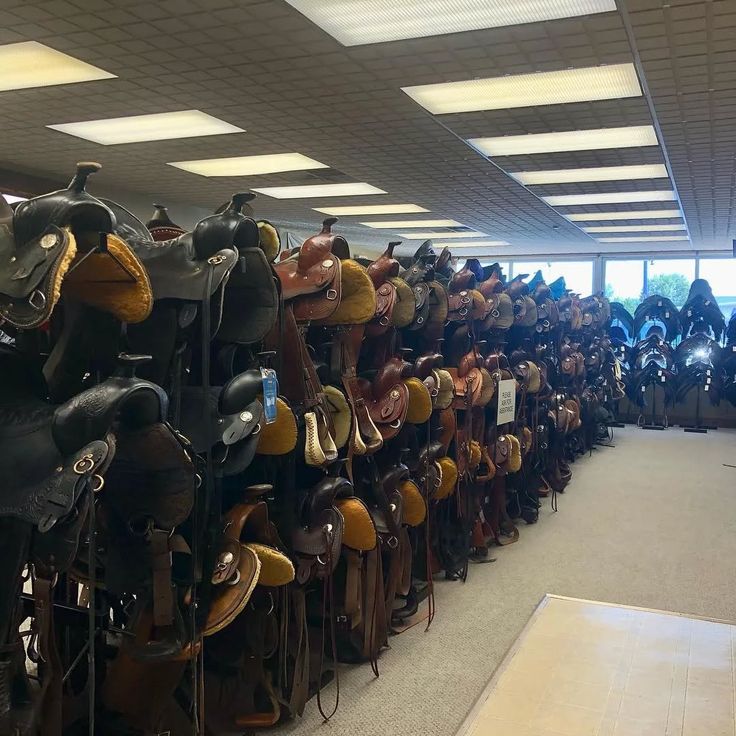
A quality saddle can remain useful for many years when it is well made and properly cared for. That is why riders browsing used saddles for sale may find good options for trail riding, ranch work, barrel racing, arena use, and everyday western riding without paying the full cost of a new model.
Buying pre-owned can provide access to better materials, respected makers, and leather that has already softened through normal use. However, a lower price does not automatically make a saddle a good purchase. Fit, condition, construction, and intended use should guide the decision.
The right used saddle should feel balanced for the rider, sit correctly on the horse, and remain structurally sound enough for regular use.
Why Buying Used Can Make Sense
Well-built western saddles are made to handle repeated riding. When the tree, rigging, leather, and stitching remain in good condition, a pre-owned saddle may still have years of useful life.
Used options can also make higher-quality saddles more accessible. A rider may be able to purchase a better-made pre-owned model for the same price as a lower-grade new saddle.
Broken-in leather is another benefit. New saddles can feel stiff at first, while a properly maintained used saddle may feel more comfortable sooner.
Buying used can also suit riders whose needs may change. A growing youth rider, new horse, different discipline, or developing preference may make a large new-saddle investment less practical.
Match the Saddle to the Riding Purpose
Start by deciding how the saddle will be used most often. Western saddles are designed around different activities, and those differences affect comfort, balance, and function.
Trail saddles often focus on comfort, manageable weight, and places to attach gear. Ranch saddles are usually built for long hours and daily work. Roping saddles need stronger horns, trees, and rigging to handle greater strain.
Barrel saddles are lighter and designed for speed, tight turns, and rider security. Show saddles place more attention on presentation, while pleasure saddles often balance comfort with general arena or recreational use.
A saddle that looks attractive may still be unsuitable for the rider’s main activity. Purpose should come before tooling, color, silver, or brand preference.
Check Horse Fit First
A used saddle is not a bargain if it does not fit the horse. Poor fit can create pressure points, soreness, restricted movement, and behavior changes.
Check the tree width, gullet shape, bar angle, and skirt length. The saddle should sit evenly without pinching the withers, rocking, bridging across the back, or dropping too low.
Shoulder freedom is also important. The horse should be able to move naturally without the saddle interfering with the shoulder blades.
Short-backed horses may need more compact skirts, while broad or high-withered horses may require different tree shapes.
When possible, test the saddle on the horse before buying. Clear measurements and photos can help when an in-person trial is not available, but professional fit guidance may still be worthwhile.
Make Sure the Saddle Fits the Rider
Rider fit affects balance, security, and comfort. Seat size should allow enough room without leaving the rider sliding around.
A seat that is too small can push the rider against the fork or cantle. One that is too large may make it difficult to stay centered during quick movement.
Stirrup position, fender length, cantle height, and horn placement should also suit the rider’s body and discipline.
The rider should feel stable without being forced into an unnatural posture. Testing the saddle while wearing normal riding clothing and boots can provide a more realistic sense of fit.
Inspect the Saddle’s Condition
Begin with the leather. Look for deep cracks, brittle areas, excessive stretching, torn edges, or weak spots around the rigging and stirrup leathers.
Normal surface wear is common and may be cosmetic. Structural damage is more serious.
Check the stitching around the skirts, jockeys, fenders, seat, and rigging. Loose or missing stitches may require repair.
The tree is one of the most important parts to inspect. Signs of twisting, unevenness, unusual creaking, or movement may indicate damage. A broken tree can make the saddle unsafe and uncomfortable.
Review the rigging, billets, D-rings, latigo areas, horn, stirrups, hardware, and fleece. These parts should feel secure and show no major weakness or corrosion.
Ask About Repairs and Saddle History
A used saddle may have been repaired, and that is not always a problem. Professional repairs can extend its life. Buyers should still ask what work was completed, who performed it, and why it was needed.
It is also helpful to ask how the saddle was stored, how often it was used, and what type of riding it handled.
Saddles stored in damp, excessively hot, or poorly ventilated areas may develop leather or structural issues. A clear history can help the buyer judge whether the condition matches the asking price.
Avoid Common Buying Mistakes
Choosing by price alone is one of the biggest mistakes. A cheap saddle that needs major repairs or does not fit may cost more over time.
Relying only on one or two photos is another risk. Buyers should request images of the underside, tree channel, rigging, stirrup leathers, horn, seat, skirts, and any visible wear.
Do not assume that one saddle will fit every horse. Even horses of similar size may have different back and shoulder shapes.
Buyers should also avoid ignoring small warning signs because they like the saddle’s appearance. Structural soundness and fit should always carry more weight than decoration.
Consider Long-Term Value
A good used saddle should suit the rider’s current needs and remain useful for a reasonable period. Construction quality, condition, fit, maker reputation, and repair needs all affect value.
A well-maintained saddle from a respected maker may also hold resale value if the rider later changes horses or disciplines.
Regular cleaning, conditioning, dry storage, and equipment checks can help preserve the saddle after purchase.
Final Thoughts
Shopping for a used saddle can be a practical way to find quality tack at a more manageable price. The best purchase will match the riding discipline, fit the horse, support the rider, and remain structurally sound. Careful inspection and realistic attention to repair needs can help buyers avoid expensive mistakes.
For riders comparing pre-owned western saddles and tack for trail, ranch, barrel, show, and everyday riding, Saddle Up Colorado offers options for different horses, disciplines, and budgets. Visit the website to find a saddle suited to your riding needs.