




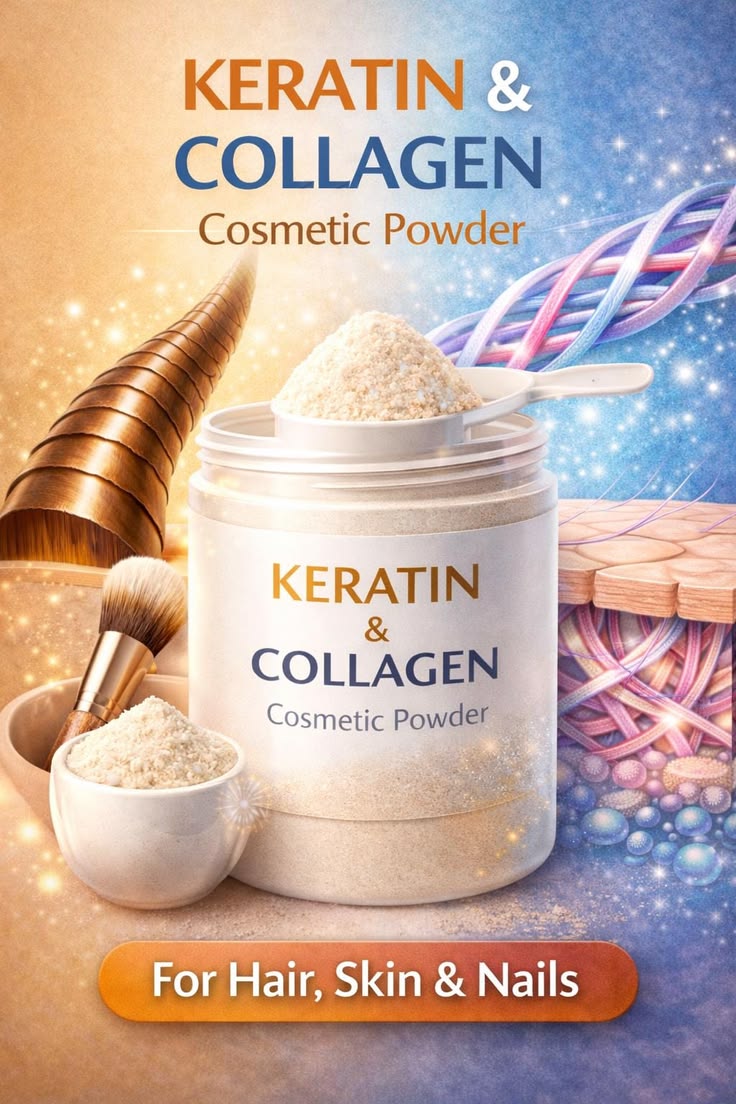
Hair, skin, nails, and connective tissues all rely on structural proteins, but they do not depend on the same protein in the same way. Understanding keratin vs collagen can help wellness-focused adults decide which habits and supplements are more closely related to their personal goals.
Keratin forms much of the structure in hair and nails and also contributes to the skin’s outer protective layers. Collagen is found throughout connective tissues, including skin, cartilage, bones, tendons, and ligaments. Both proteins contribute to the body’s structure, yet they serve different purposes.
Neither is automatically better. The more relevant protein depends on whether someone is concerned about hair and nails, skin appearance, joint support, or broader healthy-aging goals.
What Does Keratin Do?
Keratin is a strong, fibrous protein found primarily in hair, nails, and the outer layers of the skin. It helps these tissues remain firm and withstand ordinary environmental stress.
Hair shafts are largely formed from keratin. This is why many shampoos, conditioners, and salon treatments use the term when discussing hair strength, smoothness, and breakage.
Nails also contain keratin. Their firmness and appearance may be influenced by nutrition, repeated water exposure, harsh cleaning products, nail treatments, age, and underlying health.
The body makes its own keratin using amino acids obtained through dietary protein. Taking care of keratin-rich tissues therefore involves more than using topical beauty products. A balanced diet, gentle haircare, nail protection, and reduced exposure to harsh heat or chemicals all matter.
What Does Collagen Do?
Collagen is one of the body’s main structural proteins. It contributes to the framework of the skin and provides strength and support in cartilage, bones, tendons, ligaments, and other connective tissues.
Its wider distribution explains why collagen is frequently discussed in relation to skin appearance, joint wellness, mobility, and healthy aging.
Natural collagen production changes over time. Sun exposure, smoking, poor nutrition, and aging may also affect the body’s collagen-containing tissues.
Oral collagen supplements generally contain hydrolyzed collagen or collagen peptides. After digestion, these products provide amino acids and small peptides that the body can use through normal biological processes.
Collagen powders, pills, and capsules are not direct replacements for healthy meals, exercise, sleep, or medical care. They are better viewed as one possible part of a broader wellness routine.
How Keratin and Collagen Differ
The main difference is where the proteins are found and what they help support.
Keratin is closely connected with hair, nails, and the protective surface of the skin. It is firm and resistant, making it suitable for tissues that face regular external wear.
Collagen is more closely associated with connective tissues. It provides structural support in the deeper layers of skin and in areas involved in movement, such as tendons, ligaments, and cartilage.
They also differ in how people typically encounter them. Keratin is common in topical hair products and salon treatments. Collagen is frequently sold as an oral powder, pill, capsule, or drink ingredient.
These products should not be treated as interchangeable. A keratin hair treatment does not serve the same purpose as a collagen peptide supplement.
Which Protein Relates to Hair and Nail Goals?
Keratin has the more direct connection to hair and nails because it forms much of their physical structure.
However, weak nails or changes in hair appearance do not always indicate a keratin shortage. Styling habits, chemical treatments, nutrient intake, stress, medication, hormones, and medical conditions may all play a part.
A sensible hair and nail routine includes adequate dietary protein, gentle care, protection from repeated heat, and reduced contact with harsh products.
Sudden hair loss, major texture changes, or unexplained nail abnormalities should be discussed with an appropriate healthcare professional rather than addressed only through supplements.
Which Protein Relates to Skin Goals?
Both proteins play roles in skin, but they work in different layers.
Keratin contributes to the outer protective surface. Collagen helps form the supporting framework beneath that surface.
This makes collagen more closely associated with supplements marketed for skin-related wellness. Still, skin appearance depends on many factors beyond collagen intake.
Sun protection, sufficient sleep, hydration, balanced nutrition, smoking avoidance, and a suitable skincare routine remain important. No supplement can replace these habits.
People choosing collagen for skin goals should also maintain realistic expectations. Nutrition-based routines generally require consistency, and results can differ between individuals.
Which Protein Relates to Joint Goals?
Collagen is the more relevant protein when discussing cartilage, tendons, ligaments, and other connective tissues around joints.
Keratin does not serve the same main structural function in these areas. Someone interested in mobility or connective tissue support would therefore be more likely to research collagen than keratin.
Joint care should still include regular movement, suitable strength training, recovery, balanced nutrition, and professional care when pain or injury is present.
Persistent pain, swelling, instability, or reduced mobility should not be managed solely with a supplement.
Supporting Both Through Everyday Nutrition
The body needs amino acids to produce its own proteins. Protein-rich foods include eggs, fish, dairy products, poultry, meat, beans, lentils, soy foods, nuts, and seeds.
Vitamin C plays an important role in normal collagen formation. Citrus fruits, berries, tomatoes, bell peppers, and leafy vegetables can contribute this vitamin.
A varied diet also supplies minerals and other nutrients involved in maintaining hair, skin, nails, bones, and connective tissues.
Hydration and sleep support general health, while movement helps maintain strength and mobility. These daily habits provide a better foundation than relying on a single beauty or wellness product.
Choosing a Collagen Format
People interested in collagen can choose from powders, capsules, and tablets. The better format is usually the one that fits the person’s routine.
Powder can be added to coffee, smoothies, oatmeal, or other foods. Pills may be easier for travel and require no mixing, although several tablets may be needed to provide a full serving.
Before buying, review the ingredient list, serving directions, collagen source, allergen details, testing information, storage guidance, and expiration date.
Anyone who is pregnant, nursing, taking medication, managing a medical condition, or living with food allergies should seek professional guidance before introducing a new supplement.
Final Thoughts
Keratin and collagen are both structural proteins, but they support different tissues. Keratin is mainly associated with hair, nails, and the skin’s outer protective layers. Collagen supports the deeper structure of skin and is found throughout bones, cartilage, tendons, ligaments, and other connective tissues. Knowing the distinction helps people choose wellness habits based on their actual priorities.
For health-conscious adults comparing collagen products for beauty, connective tissue, and healthy-aging routines, BioOptimal Supplements offers options made for straightforward daily use. Visit the website to review the available products and choose a format that fits your routine.