


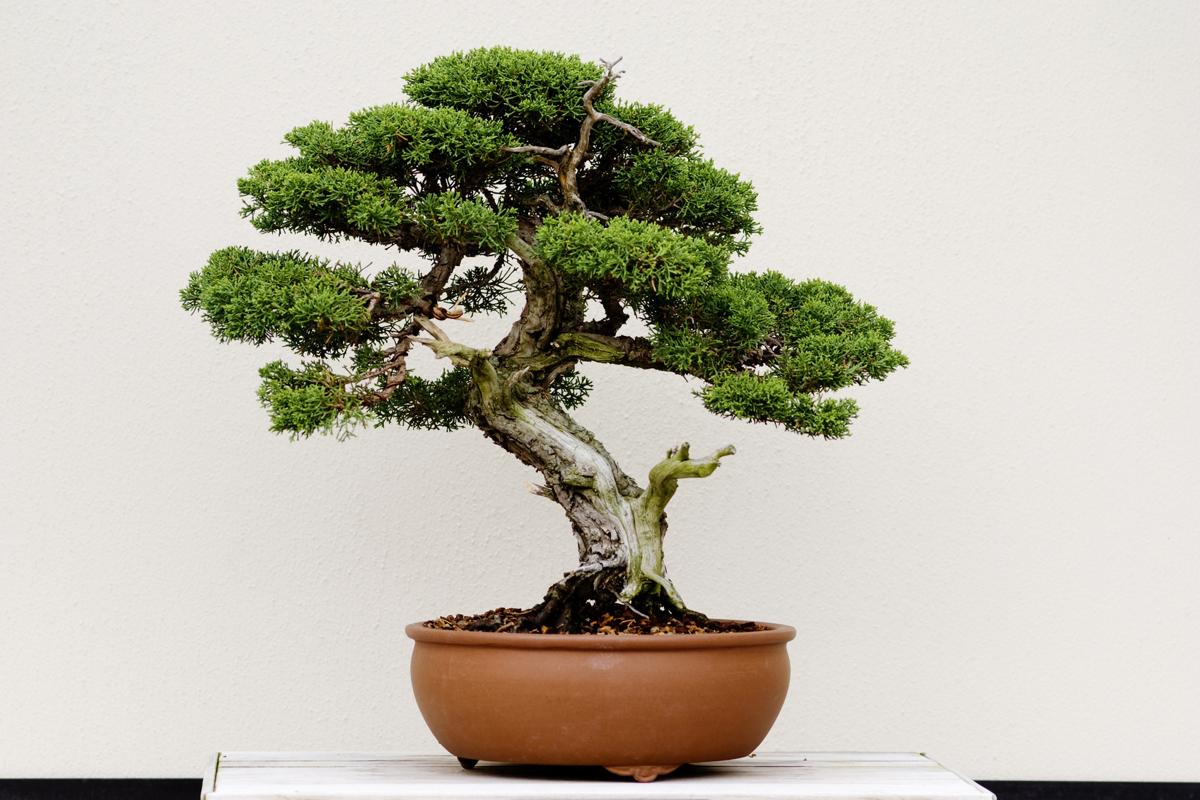
An artificial bonsai tree is a simple way to enjoy the timeless beauty of bonsai without the ongoing care that live trees require. Unlike real bonsai, artificial versions don’t need watering, pruning, or special lighting, making them ideal for homes, offices, reception areas, and retail spaces. However, they still require occasional cleaning and maintenance to keep them looking fresh and realistic. Dust, dirt, and everyday exposure can gradually dull the leaves and branches, reducing their lifelike appearance.
The good news is that maintaining an artificial bonsai tree takes only a few minutes every month. With the right cleaning methods and a little preventive care, your decorative tree can maintain its vibrant appearance for years.
Why Regular Maintenance Matters
Even though artificial bonsai trees don’t grow or require watering, they can collect dust, pet hair, pollen, and other airborne particles over time. Regular maintenance helps:
- Preserve the tree’s natural-looking appearance
- Prevent dust buildup from becoming difficult to remove
- Extend the lifespan of the materials
- Keep your home or office looking clean and welcoming
- Maintain the colors and textures of the leaves and trunk
A consistent cleaning routine also reduces the need for deep cleaning later.
How Often Should You Clean an Artificial Bonsai Tree?
The ideal cleaning frequency depends on where your bonsai is displayed.
- Low-traffic indoor spaces: Every 4–6 weeks
- Living rooms and offices: Every 2–4 weeks
- Near windows or entryways: Every 2 weeks
- Homes with pets: Weekly light dusting is recommended
- Commercial spaces: Inspect and clean weekly
Regular light cleaning is easier and safer than allowing heavy layers of dust to accumulate.
Supplies You’ll Need
Most artificial bonsai trees can be cleaned using simple household items:
- Soft microfiber cloth
- Feather duster
- Soft paintbrush or makeup brush
- Compressed air (optional)
- Spray bottle with clean water
- Mild dish soap
- Soft towel
- Cotton swabs for small spaces
Avoid harsh chemicals, bleach, ammonia, or abrasive cleaners that may damage synthetic foliage or painted trunks.
Step 1: Remove Surface Dust
Start with the gentlest cleaning method.
Use a microfiber cloth or feather duster to lightly remove dust from:
- Leaves
- Branches
- Trunk
- Decorative pot
- Moss or stones
Support each branch while dusting to avoid unnecessary bending.
If your bonsai has many tiny leaves, use a soft brush to reach tight spaces.
Step 2: Use Compressed Air for Detailed Cleaning
Artificial bonsai trees often feature dense branching that can trap dust.
A can of compressed air works well for removing debris from:
- Inner branches
- Leaf clusters
- Decorative moss
- Small crevices
Hold the can several inches away and use short bursts to prevent damage.
Step 3: Wipe Leaves with a Damp Cloth
If dust has become sticky or difficult to remove:
- Dampen a microfiber cloth with clean water.
- Wipe each section gently.
- Dry immediately with a clean towel.
Avoid soaking the foliage since excessive moisture may weaken adhesives used in some decorative arrangements.
Step 4: Remove Stubborn Dirt
For occasional deep cleaning:
- Mix a few drops of mild dish soap with warm water.
- Dip a cloth into the solution.
- Wring it out thoroughly.
- Gently wipe dirty leaves and branches.
- Finish by wiping with a clean damp cloth to remove any soap residue.
Never immerse the entire tree in water unless the manufacturer specifically recommends it.
Step 5: Clean the Decorative Pot
Don’t forget the container.
Depending on the material:
Ceramic Pots
Use a damp cloth to remove fingerprints and dust.
Plastic Pots
Wash with mild soap and water, then dry completely.
Decorative Stones and Moss
Use a soft brush or compressed air to remove trapped dust.
If decorative moss becomes damaged, consider replacing it to refresh the overall appearance.
Reshape the Branches
During shipping or frequent handling, branches may shift out of position.
Carefully bend flexible branches back into a natural shape.
Try to:
- Create balanced spacing
- Avoid perfectly symmetrical arrangements
- Mimic the irregular look of real bonsai
Small adjustments can dramatically improve realism.
Protect Your Artificial Bonsai Tree from Damage
A few preventive measures help preserve its appearance.
Keep It Away from Direct Sunlight
Continuous UV exposure may cause colors to fade over time.
Place your bonsai in:
- Indirect natural light
- Offices
- Shelving
- Coffee tables
- Reception desks
If displaying near windows, rotate the tree occasionally for even exposure.
Avoid High Humidity
Bathrooms and humid environments may cause decorative adhesives to weaken.
Choose dry, well-ventilated spaces whenever possible.
Keep Away from Heat Sources
Avoid placing the tree near:
- Fireplaces
- Radiators
- Heating vents
- Space heaters
Excessive heat can warp synthetic materials.
Tips for Homes with Pets
Curious pets may chew leaves or knock over decorative trees.
For added safety:
- Place the bonsai on elevated shelves.
- Choose a sturdy decorative pot.
- Secure lightweight arrangements if necessary.
While artificial bonsai trees require little care, they are decorative items and should not be treated as pet toys.
Common Cleaning Mistakes to Avoid
Avoid these practices to keep your bonsai looking its best.
Using Harsh Chemicals
Strong cleaners can discolor leaves or damage finishes.
Soaking the Entire Tree
Too much water may loosen glue or decorative materials.
Scrubbing Too Hard
Artificial leaves can crease or detach if excessive force is applied.
Ignoring Dust for Long Periods
Heavy dust buildup is more difficult to remove and can make the tree appear aged.
How to Store an Artificial Bonsai Tree
If you’re storing your bonsai temporarily:
- Clean it first.
- Wrap it loosely with tissue paper or a soft cloth.
- Store it in a sturdy box.
- Keep it in a cool, dry location.
- Avoid placing heavy objects on top.
Proper storage helps preserve the shape of branches and leaves.
Frequently Asked Questions
Can I wash an artificial bonsai tree with water?
Yes, but only lightly. Use a damp microfiber cloth or a small amount of mild soapy water for stubborn dirt. Avoid soaking the entire tree.
How do I make my artificial bonsai tree look new again?
Dust it thoroughly, wipe the leaves with a damp cloth, reshape the branches, and clean the decorative pot. These simple steps can restore its lifelike appearance.
Does sunlight damage artificial bonsai trees?
Extended exposure to direct sunlight can gradually fade colors. Displaying your bonsai in indirect light helps maintain its appearance longer.
How long does an artificial bonsai tree last?
With proper care and regular maintenance, a high-quality artificial bonsai tree can retain its beauty for many years.
Final Thoughts
Cleaning and maintaining an artificial bonsai tree doesn’t require much time, but regular care makes a noticeable difference in how realistic and attractive it looks. A quick dusting, occasional deep cleaning, and proper placement can help preserve its shape, color, and overall appearance for years. Whether it’s displayed in a living room, office, or commercial space, a well-maintained bonsai adds a touch of greenery without the upkeep of a live plant.
If you’re looking for beautifully crafted artificial bonsai trees and other premium faux plants, Fake Flowers offers a wide selection designed to bring lasting elegance and low-maintenance greenery to any space.