



Mold can become a serious concern for homeowners when excess moisture builds up inside a property. Although mold often appears as visible spots on walls, ceilings, or floors, it can also develop in hidden areas where leaks, condensation, and poor ventilation create favorable conditions. Identifying a mold problem early can help prevent property damage, reduce cleanup expenses, and protect indoor air quality.
For homeowners in Potomac, Maryland, understanding when to arrange a professional inspection is especially important. Seasonal humidity, heavy rainfall, plumbing problems, and basement moisture can all contribute to mold growth. A thorough inspection helps determine whether mold is present, where moisture is coming from, and what steps may be necessary to address the problem.
What Is a Professional Mold Inspection?
A professional mold inspection is an assessment of a property to identify visible mold, investigate potential hidden growth, and locate moisture conditions that could encourage mold development. Inspectors typically examine areas where water damage or excessive humidity may be present.
Unlike a simple visual check, a professional inspection may involve moisture meters, humidity measurements, thermal imaging, and other specialized equipment. These tools help identify damp building materials and investigate areas that are not easily accessible.
The purpose is not simply to find mold but also to understand why it developed. Without identifying the underlying moisture source, mold may return even after affected materials have been cleaned.
Common Signs That Your Home May Need a Mold Inspection
Mold does not always produce obvious warning signs. Sometimes, homeowners notice changes in their indoor environment before discovering visible growth.
Here are several signs that may indicate the need for an inspection.
Persistent Musty Odors
A musty smell is one of the most common indicators of possible hidden mold. If an unpleasant odor remains even after cleaning, it may be coming from behind walls, beneath flooring, inside cabinets, or around HVAC equipment.
Visible Spots on Walls and Ceilings
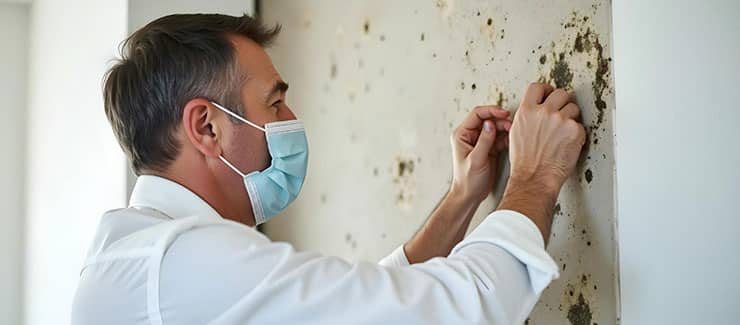
Mold may appear as black, green, gray, brown, or white patches. It can develop around windows, bathroom ceilings, basement walls, and other areas exposed to moisture.
However, appearance alone cannot reliably identify the type of mold present.
Previous Water Damage
Homes that have experienced roof leaks, plumbing failures, flooding, or appliance overflows may have an increased risk of mold growth. Even when surfaces appear dry, moisture can remain inside insulation, drywall, and wooden structures.
Peeling Paint and Discoloration
Bubbling paint, stained ceilings, warped flooring, and damaged drywall can indicate moisture problems. These conditions should be investigated before they lead to more extensive deterioration.
Recurring Moisture Problems
Repeated condensation on windows, damp basement corners, and persistent bathroom humidity may create conditions that encourage mold growth.
Why Mold Inspection Is Important for Potomac Homeowners
Homes in Potomac can experience different moisture-related challenges throughout the year. Rainfall, changing temperatures, seasonal humidity, and plumbing issues can affect indoor moisture levels.
Basements are particularly important areas to monitor because water can enter through foundation cracks, poorly sealed windows, or drainage problems. Bathrooms, kitchens, laundry rooms, and attics can also develop moisture issues when ventilation is inadequate.
Scheduling mold inspection potomac md services can help homeowners identify potential mold concerns before they develop into larger property problems. A detailed assessment can reveal hidden moisture, document affected areas, and provide information about appropriate next steps.
Early investigation is especially valuable after flooding or significant water damage because mold can begin growing within approximately 24 to 48 hours under suitable conditions.
What Areas Do Mold Inspectors Check?
A comprehensive inspection should consider the entire property, with additional attention given to areas where moisture is likely to accumulate.
Basements and Crawl Spaces
Basements and crawl spaces can experience moisture intrusion from groundwater, foundation cracks, plumbing leaks, and inadequate drainage. Inspectors may examine foundation walls, floor edges, insulation, and wooden structural components.
Bathrooms and Kitchens
Bathrooms and kitchens produce moisture through showers, cooking, dishwashing, and plumbing activities. Inspectors may check areas beneath sinks, around bathtubs, behind appliances, and near ventilation systems.
Attics and Roof Spaces
Roof leaks, condensation, and inadequate attic ventilation can contribute to moisture accumulation. Inspectors may examine roof decking, insulation, rafters, and areas surrounding chimneys or roof penetrations.
HVAC Systems
Heating and cooling systems can develop condensation problems when drainage components become blocked or insulation is damaged. Inspectors may examine accessible equipment, drain pans, and nearby surfaces for signs of moisture.
Walls and Flooring
Moisture can become trapped behind drywall, beneath carpets, and under laminate or hardwood flooring. Specialized inspection equipment may help identify suspicious areas without immediately removing building materials.
How Does the Mold Inspection Process Work?
Understanding the inspection process can help homeowners feel more prepared and know what to expect when arranging professional services.
1. Initial Property Assessment
The inspection usually begins with a conversation about the property’s history. Homeowners may be asked about previous leaks, flooding, plumbing repairs, musty odors, and visible discoloration.
This information helps the inspector identify areas that deserve closer attention.
2. Visual Examination
The inspector examines accessible rooms and building materials for visible mold, water stains, condensation, and other signs of moisture damage.
Special attention is generally given to basements, bathrooms, attics, and locations where previous water problems occurred.
3. Moisture Detection
Moisture meters can help identify elevated moisture levels in materials such as drywall, wood, and flooring. Thermal imaging may also help locate temperature differences that suggest possible moisture-related problems, although additional investigation is needed to confirm the cause.
4. Air or Surface Sampling When Appropriate
Not every inspection requires mold sampling. However, air samples or surface samples may be recommended when the results could help answer a specific question.
Sampling can provide additional information about airborne or surface mold, but it does not replace a visual inspection or moisture investigation.
5. Inspection Findings and Recommendations
After completing the assessment, the inspector should explain the findings and identify areas requiring further attention.
A useful inspection report may include photographs, moisture readings, affected locations, sampling results when applicable, and recommendations for correcting moisture problems or arranging remediation.
What Causes Mold Growth Inside Homes?
Mold spores are naturally present in indoor and outdoor environments. Problems develop when these spores encounter suitable conditions, particularly moisture and materials that provide nutrients.
Several common household issues can encourage mold growth.
-
Plumbing leaks: Small leaks beneath sinks, behind walls, or around pipes can create long-term dampness.
-
Roof damage: Damaged shingles and flashing can allow rainwater to enter attic spaces.
-
Poor ventilation: Bathrooms, kitchens, and laundry rooms may retain excessive humidity when ventilation is inadequate.
-
Flooding: Standing water and soaked building materials can create favorable conditions for mold growth.
-
Foundation moisture: Water entering through basement walls or floors can increase indoor humidity.
-
HVAC condensation: Blocked drains and poorly insulated components may contribute to unwanted moisture.
Identifying and correcting these sources is essential for preventing recurring mold problems.
Is Mold Inspection Necessary After Water Damage?
Yes, an inspection may be worthwhile after significant water damage, particularly when building materials remained wet for an extended period.
Water damage does not always leave visible mold immediately. Moisture can become trapped behind drywall, inside insulation, beneath flooring, and around wooden framing.
Homeowners should take water intrusion seriously, even when the affected area appears relatively small. Professional assessment can help determine whether materials have dried properly or whether additional investigation and remediation are needed.
If contaminated floodwater has entered the property, specialized cleanup precautions may also be necessary.
Can Homeowners Inspect Mold Themselves?
Homeowners can look for visible mold, musty odors, water stains, and condensation. These observations can help identify potential problems, but they cannot always reveal hidden moisture or mold growth.
DIY inspection may overlook areas behind walls, beneath flooring, and inside ventilation systems. Household mold test kits also have limitations because mold spores are commonly present in normal indoor and outdoor environments.
Professional inspection is particularly useful when mold repeatedly returns, water damage has affected building materials, or the suspected problem involves inaccessible spaces.
Homeowners should avoid disturbing large mold-affected areas because doing so may release additional spores into the indoor environment.
How to Prevent Mold From Returning After an Inspection
An inspection is only one part of maintaining a healthy indoor environment. Preventing future growth requires controlling moisture and addressing the conditions that allowed mold to develop.
Consider the following preventive measures:
-
Repair leaks quickly: Fix plumbing, roofing, and appliance leaks as soon as they are discovered.
-
Control indoor humidity: Aim to maintain indoor relative humidity below 60%, ideally between 30% and 50%.
-
Improve ventilation: Use bathroom exhaust fans and kitchen ventilation to remove excess moisture.
-
Maintain gutters and drainage: Keep gutters clear and direct rainwater away from the foundation.
-
Dry wet materials promptly: Address water-damaged carpets, drywall, and other materials without unnecessary delays.
-
Monitor basements: Check for condensation, damp odors, and signs of water intrusion.
-
Maintain HVAC equipment: Clean and inspect air-conditioning components and condensate drainage systems regularly.
These practices can reduce moisture-related problems and help protect the condition of the property.
Choosing the Right Mold Inspection Professional in Potomac, MD
Selecting a qualified inspector is an important step toward understanding a potential mold problem. Homeowners should look for professionals who provide thorough assessments rather than relying only on quick visual checks.
Before hiring an inspection company, consider the following factors:
-
Relevant experience: Choose professionals familiar with residential moisture problems and mold investigations.
-
Inspection equipment: Ask whether they use appropriate moisture detection tools and other assessment equipment.
-
Clear reporting: Look for detailed reports that explain findings and recommended actions.
-
Sampling knowledge: Make sure sampling is recommended when appropriate rather than automatically included in every inspection.
-
Transparent pricing: Request information about inspection fees and any additional testing costs.
-
Professional qualifications: Ask about relevant training, certifications, and applicable industry standards.
It is also worth considering whether the inspector has a financial interest in selling remediation services. Independent assessments can help homeowners receive more objective recommendations.
Final Thoughts
Mold problems can develop gradually, often remaining unnoticed until visible damage or persistent odors appear. Moisture from plumbing leaks, roof damage, basement seepage, and poor ventilation can create conditions that allow mold to grow in different parts of a home.
For homeowners, early investigation is an important part of protecting their property. A professional assessment can help identify moisture sources, investigate suspicious areas, and determine whether additional testing or remediation is necessary.
By arranging mold inspection potomac md services when warning signs appear and maintaining good moisture-control practices, homeowners can address potential problems before they become more extensive. Regular attention to leaks, ventilation, humidity, and water damage can also help keep indoor spaces cleaner, drier, and better maintained.
